




Introduction
Modern households produce a surprising amount of trash every single day. From plastic packaging and disposable products to food scraps and fast fashion, waste has become a regular part of daily life. Many people are now searching for practical ways to reduce clutter, save money, and protect the environment without making life difficult.
A more mindful approach to consumption can make a major difference. Small habits such as carrying reusable bags, choosing durable products, and planning meals carefully can help reduce unnecessary waste over time. Sustainable living is not about perfection. It is about making thoughtful choices that support healthier homes, cleaner communities, and a more balanced planet.
One of the biggest reasons people adopt a zero waste lifestyle is because it encourages intentional living. Instead of constantly buying disposable products, individuals focus on reducing what they consume and reusing what they already own. This shift often leads to lower expenses, less household clutter, and greater awareness about everyday habits.
What Does Sustainable Low-Waste Living Really Mean?
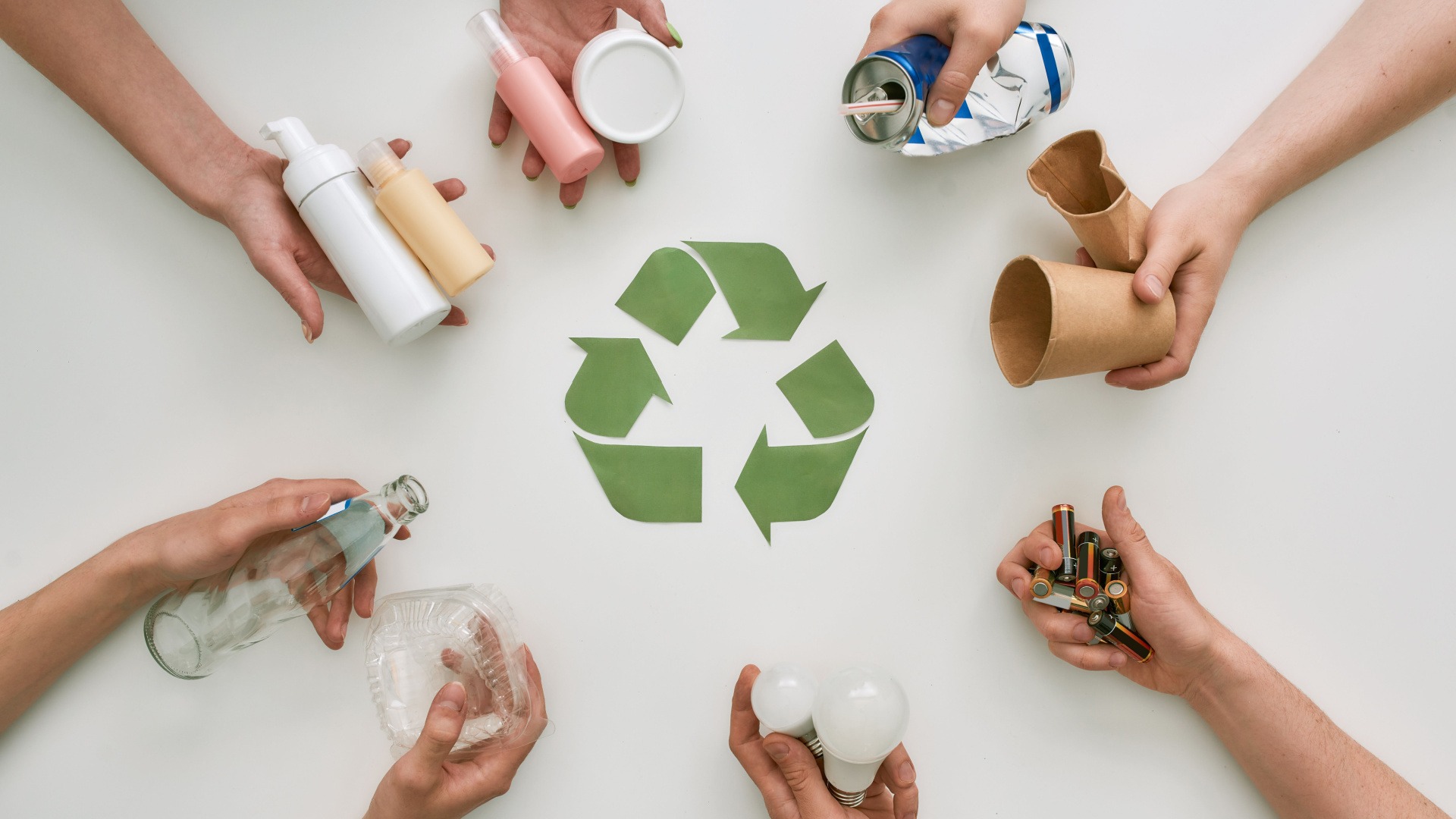
Low-waste living is a practical method of reducing the amount of trash sent to landfills. It focuses on minimizing unnecessary consumption while encouraging reuse, recycling, composting, and responsible shopping habits.
The concept is commonly built around five simple principles:
| Principle | Meaning | Example |
|---|---|---|
| Refuse | Avoid unnecessary items | Decline plastic straws |
| Reduce | Buy only what is needed | Limit impulse shopping |
| Reuse | Choose reusable products | Carry a refillable bottle |
| Recycle | Process materials correctly | Separate paper and glass |
| Rot | Compost organic waste | Compost vegetable scraps |
These ideas help households create less waste while promoting long-term sustainability. Even small improvements can lead to meaningful environmental benefits over time.
Why Sustainable Habits Matter More Than Ever
Global waste production continues to rise every year. Landfills are filling quickly, oceans are polluted with plastic, and many natural resources are being consumed faster than they can recover.
Adopting smarter daily habits helps reduce pressure on the environment while also improving personal well-being. Families often discover that sustainable routines encourage better organization, healthier eating, and more thoughtful spending.
Another important benefit of a zero waste lifestyle is financial savings. Reusable products usually last longer than disposable alternatives, which means fewer repeat purchases. Buying only what is truly necessary also reduces unnecessary spending.
People are often surprised by how simple changes can create positive long-term results. Replacing single-use products with reusable alternatives may seem small at first, but these actions add up over months and years.
Easy Kitchen Changes That Reduce Daily Waste
The kitchen is one of the easiest places to begin making sustainable improvements. Food packaging, disposable containers, and food waste contribute heavily to household trash.
Use Refillable Storage Containers
Glass jars, stainless steel containers, and reusable food wraps can replace disposable plastic bags and single-use containers. These products are durable, easy to clean, and useful for organizing food.
Plan Meals Before Shopping
Meal planning helps households buy only the ingredients they actually need. This reduces food waste while also saving money on groceries.
Compost Organic Scraps
Fruit peels, coffee grounds, and vegetable scraps can be composted instead of thrown away. Composting creates nutrient-rich soil that supports healthy gardening.
Buy in Bulk When Possible
Bulk shopping reduces unnecessary packaging waste. Many stores offer grains, nuts, spices, and cleaning products in refill stations.
Switch to Reusable Cleaning Products
Reusable dishcloths, washable sponges, and refillable cleaning bottles help minimize disposable waste in the kitchen.
These small adjustments make sustainable living easier and more practical for busy households.
Sustainable Bathroom Swaps That Actually Work
Bathrooms often contain many disposable products that create unnecessary waste. Fortunately, several affordable alternatives are now widely available.
Replace Disposable Razors
Safety razors made from metal last for years and create significantly less waste than plastic disposable razors.
Use Shampoo Bars
Shampoo and conditioner bars reduce plastic bottle usage while lasting longer than many liquid products.
Choose Bamboo Toothbrushes
Bamboo toothbrushes decompose more naturally compared to plastic alternatives.
Reusable Makeup Removers
Washable cotton rounds and reusable cloth pads help reduce disposable beauty waste.
Refillable Soap Containers
Buying refill packs instead of new plastic bottles lowers packaging waste and reduces overall consumption.
Making gradual bathroom changes allows people to build sustainable routines without feeling overwhelmed.
Smart Shopping Habits for Eco-Conscious Consumers
Mindful shopping plays a major role in reducing household waste. Many purchases are made out of convenience rather than necessity.
A successful zero waste lifestyle often begins with asking simple questions before buying something new:
- Do I truly need this item?
- Can I borrow it instead?
- Is there a reusable version available?
- Will this product last a long time?
- Can it be repaired or recycled later?
These questions encourage more intentional purchasing decisions.
Buy Higher Quality Products
Cheap disposable items may cost less initially, but they often need frequent replacement. Durable products usually save money in the long run.
Support Local Businesses
Local products often require less packaging and transportation, which can reduce environmental impact.
Avoid Excess Packaging
Choosing products with minimal packaging helps lower household waste significantly.
Shop Secondhand
Thrift stores, online marketplaces, and community groups make it easy to find quality used items at affordable prices.
Thoughtful shopping habits create both financial and environmental benefits.
How Sustainable Living Saves Money Over Time
Many people assume eco-friendly living is expensive, but sustainable habits often reduce long-term expenses.
Reusable products usually cost more upfront but provide lasting value over time. For example, refillable water bottles, cloth napkins, reusable grocery bags, and durable food containers eliminate the need for repeated purchases.
Here is a comparison of common disposable products versus reusable alternatives:
| Disposable Product | Reusable Alternative | Estimated Long-Term Savings |
|---|---|---|
| Plastic water bottles | Stainless steel bottle | High |
| Paper towels | Washable cloth towels | Medium |
| Disposable coffee cups | Travel mug | Medium |
| Plastic shopping bags | Reusable tote bags | High |
| Disposable food wraps | Silicone covers | Medium |
Households practicing a zero waste lifestyle often notice fewer impulse purchases and better control over spending habits. The focus shifts from buying more items to making better use of existing resources.
Reducing waste also encourages more careful meal planning, which lowers grocery bills and decreases food spoilage.
Building Sustainable Habits Without Feeling Overwhelmed
One of the biggest mistakes people make is trying to change everything at once. Sustainable living works best when changes happen gradually.
Start With One Room
Choose one area of the home, such as the kitchen or bathroom, and focus on improving habits there first.
Replace Items Slowly
Avoid throwing away usable products simply to buy eco-friendly alternatives. Replace items naturally as they wear out.
Track Household Waste
Observing what gets thrown away most often helps identify areas where waste can be reduced.
Focus on Progress
Perfection is not required. Every reusable product, mindful purchase, or recycled item contributes to positive change.
A realistic sustainable routine should fit naturally into daily routines instead of creating stress or frustration.
Sustainable Fashion Choices for Everyday Living
The fashion industry contributes heavily to pollution and textile waste. Fast fashion encourages excessive buying and short-term clothing use.
More sustainable clothing habits can reduce waste while supporting ethical production.
Buy Fewer, Better Pieces
Quality clothing lasts longer and usually maintains its appearance better over time.
Repair Instead of Replace
Simple repairs such as sewing buttons or fixing small tears extend the life of clothing.
Donate Unused Clothing
Clothing in good condition can often be reused by others instead of ending up in landfills.
Choose Natural Fabrics
Natural materials like cotton, linen, and wool may have a lower environmental impact compared to some synthetic fabrics.
Avoid Trend-Based Shopping
Building a timeless wardrobe reduces unnecessary purchases and supports long-term sustainability.
Small fashion choices can create meaningful environmental improvements.
Eco-Friendly Habits for Families and Children
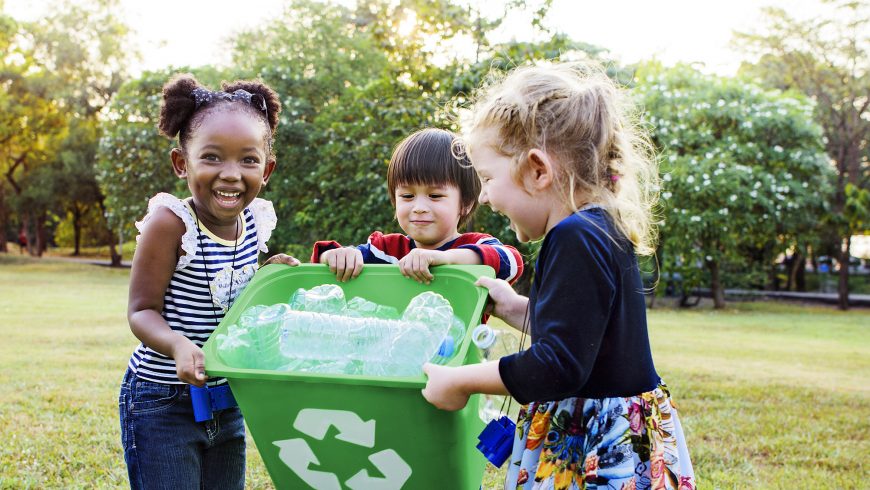
Teaching children sustainable habits early helps create lifelong environmental awareness.
Parents can encourage simple routines that make eco-friendly living feel normal and enjoyable.
Encourage Reusable Lunch Supplies
Reusable lunch boxes, water bottles, and utensils reduce school-related waste.
Make Recycling Easy
Clearly labeled recycling bins help children learn proper waste separation.
Start Small Gardening Projects
Gardening teaches children about food production, composting, and caring for natural resources.
Limit Disposable Toys
Choosing durable, educational toys reduces waste while encouraging creativity.
Families following a zero waste lifestyle often discover that children adapt quickly to reusable products and mindful habits.
Creating positive routines at home can influence future generations in meaningful ways.
Quick Sustainable Living Tips
- Carry a reusable water bottle daily
- Refuse unnecessary plastic packaging
- Shop with reusable bags
- Compost kitchen scraps
- Buy only what you truly need
- Repair products before replacing them
- Donate usable household items
- Support local and ethical businesses
These simple actions are easy to adopt and can significantly reduce daily waste production.
Common Challenges and Practical Solutions
Sustainable living is rewarding, but it also comes with challenges. Understanding common obstacles makes it easier to stay motivated.
Limited Product Availability
Some communities may not have refill stores or bulk shopping options nearby. In these cases, focusing on reusable products and careful purchasing still makes a big difference.
Higher Upfront Costs
Certain reusable products cost more initially. Starting slowly and prioritizing frequently used items can make the transition more affordable.
Social Pressure and Convenience
Disposable products are often marketed as easier or faster. Staying focused on long-term benefits helps maintain sustainable habits.
Lack of Time
Busy schedules may make sustainable routines feel difficult at first. Simple actions like meal planning and carrying reusable bags eventually become automatic habits.
A balanced sustainable approach should feel realistic and manageable rather than restrictive.
The Environmental Impact of Waste Reduction
Reducing household waste benefits more than just individual homes. It also supports cleaner ecosystems and healthier communities.
Lower waste production means fewer materials end up in landfills and oceans. Reduced packaging demand can also decrease energy use and pollution linked to manufacturing.
Composting organic waste enriches soil naturally while reducing methane emissions from landfills. Choosing reusable products also decreases the need for disposable manufacturing.
Communities that prioritize sustainability often experience cleaner public spaces and stronger environmental awareness.
Individual choices may seem small, but collective efforts create significant positive change over time.
How Technology Supports Sustainable Living
Modern technology has made eco-friendly living more accessible than ever before.
Mobile apps now help people track household waste, locate refill stations, organize secondhand sales, and plan sustainable shopping.
Online marketplaces also make it easier to buy used products instead of purchasing new ones. Digital communities provide helpful advice, local resources, and encouragement for beginners.
Smart home devices can reduce electricity and water usage by improving energy efficiency.
Technology cannot solve environmental issues alone, but it can support smarter daily choices.
Creating a Long-Term Sustainable Mindset
The most effective environmental changes happen when sustainability becomes part of everyday thinking rather than a temporary challenge.
Instead of focusing only on reducing trash, consider the overall impact of consumption habits. Buying fewer items, choosing quality products, and caring for existing belongings creates long-term benefits.
Many people discover that sustainable living encourages gratitude, organization, and financial awareness. Living with fewer unnecessary items often creates a calmer and more intentional home environment.
A successful zero waste lifestyle is not about perfection or strict rules. It is about making consistent choices that support healthier living and a cleaner future.
Frequently Asked Questions
What is the easiest way to begin sustainable living?
Start with simple reusable items such as grocery bags, water bottles, and food containers. Small changes are easier to maintain long term.
Is eco-friendly living expensive?
Not necessarily. Many sustainable habits save money over time because reusable products reduce repeated purchases.
Can families realistically reduce household waste?
Yes. Families can reduce waste by meal planning, composting food scraps, using reusable supplies, and buying durable products.
Do I need to stop using plastic completely?
No. The goal is to reduce unnecessary waste gradually rather than achieve perfection immediately.
How long does it take to build sustainable habits?
Most habits become easier with consistency. Starting slowly and focusing on practical routines helps create lasting change.
Why is composting important?
Composting reduces landfill waste while creating nutrient-rich soil that supports gardening and healthy plant growth.
Conclusion
Creating a healthier home and cleaner environment does not require dramatic lifestyle changes. Small daily improvements can produce meaningful long-term results when practiced consistently.
Sustainable living begins with awareness. Choosing reusable products, reducing unnecessary purchases, composting organic waste, and supporting ethical businesses are all practical ways to create positive environmental impact.
The journey toward a zero waste lifestyle is different for every household. Some people begin with reusable shopping bags, while others focus on reducing food waste or minimizing plastic use. What matters most is steady progress rather than perfection.
By making thoughtful choices every day, individuals and families can reduce waste, save money, and contribute to a more sustainable future for generations to come.
Read More:-Smart Ways to Organize Your Day for Better Life and Success Tips!!