




Introduction
Businesses today rely heavily on digital services, remote collaboration, online storage, and real-time data access. Companies of all sizes are shifting from traditional infrastructure to flexible online systems that can scale quickly and support modern workloads. This transition has transformed the way organizations build applications, deliver services, and manage data.
At the center of this transformation is cloud computing architecture, a structured framework that combines networks, servers, storage, databases, software, and security systems into one connected environment. It allows organizations to operate efficiently while reducing hardware costs and improving performance.
Whether you run a startup, an online store, or a global enterprise, understanding how these systems work can help you make smarter technology decisions. This guide explains the structure, components, deployment models, benefits, challenges, and future trends shaping modern cloud environments.
What Is a Cloud-Based Infrastructure Framework?
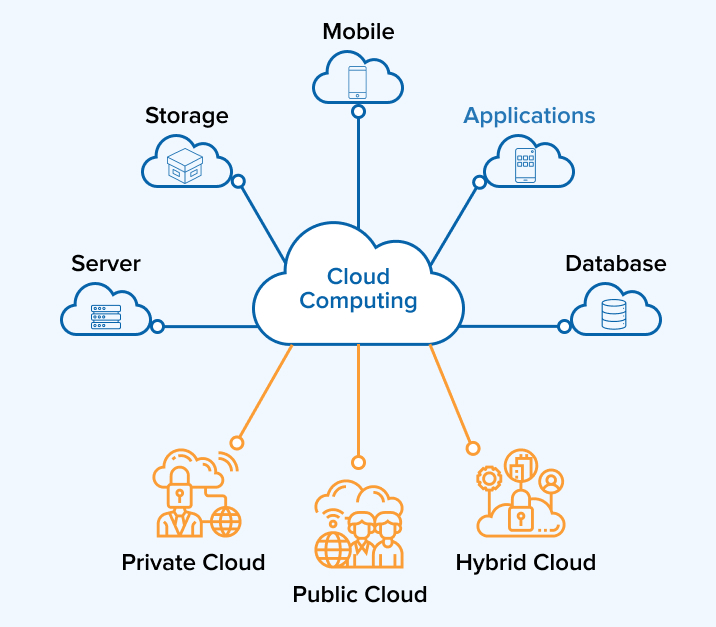
A cloud-based infrastructure framework refers to the organized arrangement of hardware and software resources that support online computing services. It includes virtual machines, storage systems, networking tools, APIs, management software, and user interfaces.
Instead of relying entirely on physical servers located in one office, organizations can distribute resources across multiple data centers. This approach improves reliability, performance, and accessibility.
Modern online platforms are designed to support:
- Remote collaboration
- Data storage and backup
- Application hosting
- Artificial intelligence workloads
- Video streaming
- E-commerce systems
- Software development
- Big data analytics
These services are accessible through the internet, giving businesses the flexibility to scale resources whenever demand changes.
Why Businesses Depend on Online Infrastructure
Traditional IT systems often require expensive hardware, dedicated maintenance teams, and physical upgrades. Expanding infrastructure can take weeks or even months.
Modern digital platforms solve these problems by providing instant access to computing resources. Organizations can deploy applications quickly, reduce downtime, and improve customer experiences.
Here are some major reasons businesses adopt cloud environments:
1. Lower Operational Costs
Companies avoid large upfront investments in servers and networking equipment. Instead, they pay only for the resources they use.
This flexible pricing model helps startups and growing businesses control expenses while scaling efficiently.
2. Faster Deployment
Applications can be launched within minutes rather than weeks. Development teams can test ideas quickly and release updates faster.
Rapid deployment supports innovation and improves market competitiveness.
3. Improved Accessibility
Employees can access systems from anywhere with an internet connection. This improves collaboration among remote teams.
Global accessibility also supports international business operations.
4. Better Disaster Recovery
Distributed infrastructure protects businesses from hardware failures and local outages.
Automated backups and recovery systems help organizations restore services quickly.
Core Components of Cloud Computing Architecture
Understanding the major elements of cloud computing architecture helps businesses design stable and scalable systems. Each component performs a specific role in delivering reliable digital services.
Front-End Platform
The front end represents the user-facing side of the system. It includes:
- Web browsers
- Mobile applications
- User dashboards
- Client-side interfaces
- Access portals
Users interact with services through these interfaces.
A responsive and secure front end improves customer satisfaction and usability.
Back-End Infrastructure
The back end contains the servers, storage systems, and databases responsible for processing requests.
This section manages:
- Data storage
- Application processing
- Authentication
- Security controls
- Resource allocation
Strong back-end systems ensure reliable performance even during high traffic periods.
Virtualization Layer
Virtualization allows multiple virtual systems to run on a single physical server.
This technology improves resource efficiency, reduces hardware dependency, and simplifies system management.
Virtualization is one of the key innovations behind modern digital infrastructure.
Network Systems
Networking connects users, applications, databases, and servers.
Fast and secure networks ensure smooth communication between distributed resources.
Modern networking tools also support traffic balancing and automated routing.
Storage Solutions
Online environments use scalable storage systems to manage massive amounts of data.
These systems support:
- File storage
- Database storage
- Backup storage
- Archive systems
- Media hosting
Scalable storage improves reliability and simplifies data management.
Security Framework
Security systems protect applications and data from unauthorized access.
Common protection methods include:
- Encryption
- Identity management
- Multi-factor authentication
- Firewalls
- Threat detection
- Compliance monitoring
Security remains one of the most important priorities for modern organizations.
Types of Deployment Models
Businesses can choose from several deployment approaches depending on their operational requirements.
Public Environment
A public environment is managed by third-party providers and shared among multiple users.
This option is cost-effective and ideal for:
- Startups
- Small businesses
- Development environments
- Web applications
Public systems offer flexibility and quick deployment.
Private Environment
A private environment is dedicated to a single organization.
It provides greater control, customization, and security.
Industries handling sensitive information often prefer this model.
Hybrid Environment
Hybrid systems combine public and private infrastructure.
Businesses can keep sensitive data in private systems while using public resources for scalability.
This approach offers both flexibility and security.
Multi-Environment Strategy
Some organizations use services from multiple providers simultaneously.
This reduces dependency on a single vendor and improves resilience.
A multi-environment strategy can also optimize pricing and performance.
Service Models Explained
Modern digital platforms typically provide services through three main models.
Infrastructure as a Service (IaaS)
IaaS provides virtualized computing resources such as:
- Servers
- Networking
- Storage
- Operating systems
Organizations manage applications while providers maintain physical infrastructure.
This model offers maximum flexibility.
Platform as a Service (PaaS)
PaaS provides a development environment for building and deploying applications.
Developers can focus on coding rather than server management.
This model speeds up software development and testing.
Software as a Service (SaaS)
SaaS delivers software applications directly through the internet.
Users access tools using browsers without installing local software.
Popular examples include email platforms, project management tools, and online collaboration systems.
Benefits of Cloud Computing Architecture
The growing popularity of cloud computing architecture comes from its ability to improve operational efficiency, scalability, and business continuity.
Scalability
Organizations can increase or reduce resources depending on demand.
This flexibility prevents unnecessary expenses while maintaining strong performance.
Cost Efficiency
Businesses avoid purchasing expensive hardware and reduce maintenance costs.
Pay-as-you-go pricing helps organizations manage budgets more effectively.
Enhanced Collaboration
Teams can access files and applications from different locations.
This improves communication and supports remote work environments.
Automatic Updates
Service providers handle updates and maintenance tasks.
Businesses always have access to the latest features and security improvements.
Stronger Data Protection
Modern providers implement advanced security measures to protect sensitive information.
Automated monitoring helps identify suspicious activity quickly.
Improved Performance
Distributed systems reduce latency and improve application speed.
Users experience faster loading times and better reliability.
Common Challenges in Modern Infrastructure

Although online systems provide many advantages, businesses must still address several operational challenges.
Security Risks
Cyberattacks continue to evolve rapidly.
Organizations must implement strong security policies, encryption, and access controls.
Compliance Requirements
Different industries have strict regulations regarding data protection.
Businesses must ensure their systems comply with legal standards.
Downtime Concerns
Even large providers may experience occasional outages.
Backup systems and disaster recovery planning help reduce disruptions.
Vendor Lock-In
Relying heavily on one provider can limit flexibility.
Migrating systems later may become difficult and expensive.
Cost Management
Without proper monitoring, resource usage can increase unexpectedly.
Businesses should regularly analyze usage patterns and optimize workloads.
Role of Automation in Digital Infrastructure
Automation has become a critical element of modern computing systems.
Automated tools handle repetitive tasks such as:
- Resource provisioning
- Performance monitoring
- Security scanning
- Backup management
- Software deployment
Automation improves efficiency while reducing human error.
Organizations also use orchestration platforms to coordinate multiple services simultaneously.
This allows businesses to manage complex environments more effectively.
How Artificial Intelligence Is Changing Modern Systems
Artificial intelligence is reshaping the way organizations manage digital operations.
AI-powered tools can:
- Detect security threats
- Predict system failures
- Optimize workloads
- Improve customer support
- Analyze massive datasets
Machine learning algorithms help providers deliver faster and more reliable services.
AI also supports intelligent resource allocation, reducing unnecessary costs.
As technology continues to evolve, AI integration will become even more important.
Importance of Security and Compliance
Security remains one of the biggest priorities for organizations using online infrastructure.
Businesses must protect:
- Customer data
- Financial information
- Intellectual property
- Internal communications
Strong security strategies typically include:
| Security Feature | Purpose | Benefit |
|---|---|---|
| Encryption | Protects data during transfer | Prevents unauthorized access |
| Firewalls | Filters incoming traffic | Blocks malicious activity |
| MFA | Adds identity verification | Reduces account compromise |
| Monitoring Tools | Detects suspicious behavior | Improves response time |
| Backup Systems | Stores duplicate data | Supports disaster recovery |
| Access Control | Restricts permissions | Enhances internal security |
Organizations should also conduct regular audits and employee training sessions.
Human error remains one of the leading causes of security incidents.
Industries Using Advanced Online Systems
Modern infrastructure supports a wide range of industries.
Healthcare
Hospitals use digital platforms to store patient records and support telemedicine.
Secure systems improve accessibility while protecting sensitive medical data.
Finance
Banks rely on scalable environments for online transactions and fraud detection.
High-performance systems improve customer experiences and operational reliability.
Retail
E-commerce businesses depend on flexible infrastructure during seasonal traffic spikes.
Fast websites improve customer satisfaction and sales performance.
Education
Schools and universities use online platforms for virtual classrooms and remote learning.
Students can access educational materials from anywhere.
Entertainment
Streaming services require powerful systems to deliver video content globally.
Scalable environments help maintain smooth playback during peak demand.
Designing Efficient Digital Platforms
Building reliable systems requires careful planning and strategic decision-making.
Organizations should evaluate:
- Performance requirements
- Security expectations
- Compliance needs
- Budget limitations
- Growth projections
A well-designed infrastructure strategy improves scalability and operational stability.
Development teams should also prioritize redundancy and backup systems.
Redundant resources reduce the risk of service interruptions.
Cloud Computing Architecture and Scalability
One of the biggest strengths of modern digital infrastructure is its ability to scale resources dynamically based on business demand.
Traditional systems often struggle during sudden traffic spikes.
Modern online environments can automatically allocate additional computing power when needed.
This flexibility benefits:
- E-commerce stores during sales events
- Streaming platforms during major releases
- Gaming services during high player activity
- Business applications during peak hours
Dynamic scalability improves user experiences while controlling operational costs.
Future Trends Shaping Digital Infrastructure
Technology continues evolving rapidly, introducing new possibilities for businesses.
Edge Computing
Edge computing processes data closer to users instead of relying entirely on centralized servers.
This reduces latency and improves real-time performance.
Green Computing
Organizations are focusing on energy-efficient operations.
Providers are investing in renewable energy and sustainable infrastructure.
Serverless Technology
Serverless systems allow developers to run applications without managing servers directly.
This simplifies deployment and reduces operational overhead.
Quantum Computing Research
Researchers are exploring how quantum systems may solve complex calculations faster than traditional computers.
Although still developing, this technology may transform future digital operations.
Advanced Cybersecurity
Security technologies continue improving to combat evolving cyber threats.
AI-driven monitoring systems can identify suspicious activity more effectively.
Best Practices for Businesses
Organizations can maximize efficiency by following proven operational strategies.
Choose the Right Provider
Businesses should evaluate:
- Security features
- Pricing models
- Reliability
- Technical support
- Compliance certifications
Selecting the right provider improves long-term performance.
Monitor Resource Usage
Regular monitoring helps organizations avoid unnecessary expenses.
Performance analytics identify areas requiring optimization.
Implement Strong Security Policies
Security policies should include:
- Password management
- Access restrictions
- Encryption standards
- Employee training
- Incident response planning
Consistent security practices reduce vulnerabilities.
Plan for Disaster Recovery
Businesses should prepare backup systems and recovery procedures.
Fast recovery minimizes downtime and protects customer trust.
Optimize Workloads
Efficient workload distribution improves speed and resource utilization.
Optimization also helps reduce operational costs.
Comparison Between Traditional and Modern Infrastructure
| Feature | Traditional Infrastructure | Modern Online Infrastructure |
|---|---|---|
| Hardware Ownership | Managed internally | Managed by providers |
| Scalability | Limited | Highly flexible |
| Initial Cost | High | Lower upfront cost |
| Maintenance | Requires internal teams | Provider-managed |
| Deployment Speed | Slow | Rapid |
| Accessibility | Location-dependent | Global access |
| Updates | Manual | Automated |
| Disaster Recovery | Complex | Simplified |
This comparison shows why many organizations continue transitioning toward online platforms.
How Startups Benefit From Modern Platforms
Startups often operate with limited budgets and small technical teams.
Flexible infrastructure allows them to launch products quickly without purchasing expensive hardware.
New businesses can:
- Scale applications easily
- Reduce maintenance costs
- Reach global audiences
- Test products rapidly
- Improve operational flexibility
These advantages help startups compete with larger organizations.
The Role of Data Centers
Data centers are physical facilities containing servers, storage systems, and networking equipment.
Modern providers operate massive global networks of data centers to support millions of users.
These facilities are designed with:
- Redundant power systems
- Advanced cooling technology
- Physical security measures
- High-speed connectivity
- Automated monitoring tools
Reliable data centers ensure strong performance and business continuity.
Why Reliability Matters
Customers expect applications and websites to remain available at all times.
Downtime can damage reputation, reduce sales, and disrupt operations.
Reliable systems use:
- Load balancing
- Failover systems
- Redundant servers
- Automated backups
- Real-time monitoring
These strategies improve uptime and maintain customer trust.
Cloud Computing Architecture in Enterprise Growth
Large organizations rely on cloud computing architecture to support global expansion, remote teams, and large-scale digital operations.
Enterprise environments often manage enormous amounts of data and user activity.
Scalable infrastructure helps organizations maintain consistent performance while supporting innovation.
Businesses can also deploy services across multiple geographic regions for improved reliability.
This global reach improves customer experiences and operational resilience.
Frequently Asked Questions
What is cloud computing architecture?
This term refers to the structure of connected technologies that deliver computing services through online platforms. It combines servers, networking, storage, applications, and security systems.
Why is scalability important in digital infrastructure?
Scalability allows businesses to adjust computing resources based on demand.
This improves performance while controlling operational costs.
What are the main service models?
The primary service models are:
- Infrastructure as a Service
- Platform as a Service
- Software as a Service
Each model supports different operational requirements.
How does virtualization improve efficiency?
Virtualization allows multiple virtual systems to operate on a single physical server.
This improves hardware utilization and reduces costs.
Is online infrastructure secure?
Modern providers use advanced security measures such as encryption, monitoring tools, and multi-factor authentication.
Organizations must still follow strong internal security practices.
Key Insight: Flexible digital infrastructure helps businesses improve scalability, reduce costs, and support remote operations.
Important Benefit: Automation and AI-driven management tools improve performance and operational efficiency.
Future Trend: Edge computing and sustainable technology are expected to shape the next generation of digital services.
Conclusion
Modern businesses require flexible, scalable, and secure systems to remain competitive in an increasingly digital world. From startups to multinational enterprises, organizations rely on advanced infrastructure to support applications, protect data, and improve customer experiences.
Understanding cloud computing architecture helps decision-makers choose the right technologies, improve operational efficiency, and prepare for future growth. By combining automation, virtualization, security, and scalable infrastructure, businesses can adapt quickly to changing market demands.
Companies that invest in reliable digital systems today will be better prepared for tomorrow’s technological challenges and opportunities. The future of online infrastructure will continue evolving, and organizations that embrace innovation early will gain a significant competitive advantage.
Read More:-Complete Tactical Preview of Portugal and Spain Football Clash Era