



Introduction
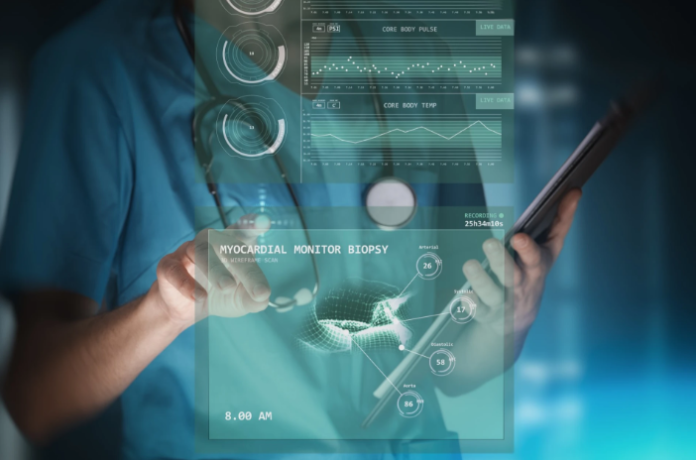
Technology continues to evolve at a remarkable pace, changing the way people communicate, learn, shop, travel, and work. One of the most exciting innovations in recent years is the rise of augmented reality applications that blend digital information with the physical world. Instead of replacing reality completely, these systems improve real-life experiences with interactive visuals, sounds, and data overlays.
From smartphones and tablets to wearable headsets and smart glasses, immersive technology has become more accessible than ever before. Businesses are using it to improve productivity, while educators, doctors, architects, and retailers are discovering creative ways to enhance customer engagement and learning experiences.
This article explores how immersive technology is transforming industries, the benefits it offers, common challenges, future trends, and practical examples that demonstrate its growing influence across everyday life.
What Is Augmented Reality?
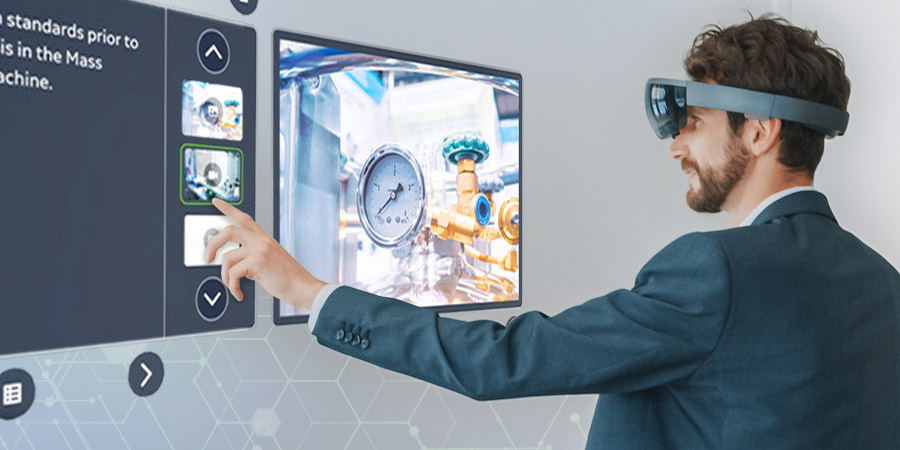
Augmented reality is a digital technology that places computer-generated elements into the real environment. These digital additions may include animations, images, instructions, sounds, or 3D models that appear through a smartphone camera, smart glasses, or specialized devices.
Unlike virtual reality, which creates a fully simulated world, augmented reality keeps users connected to their surroundings. This balance between physical and digital interaction makes the technology practical for education, healthcare, navigation, shopping, and industrial operations.
The main purpose of this innovation is to improve understanding, engagement, and efficiency. By presenting information visually and interactively, users can process data faster and make better decisions in real time.
Many businesses now use immersive technology to reduce training time, improve customer satisfaction, and create memorable experiences that increase brand loyalty.
Why Businesses Are Investing in Immersive Technology
Organizations around the world are investing heavily in smart visualization tools because consumers expect faster, more engaging experiences. Interactive digital systems help companies simplify communication and improve operational efficiency.
Modern consumers also prefer experiences that are personalized and visually appealing. Companies that provide interactive product demonstrations or virtual previews often see higher engagement rates and stronger customer trust.
Another important factor is accessibility. Since most users already own smartphones capable of supporting immersive tools, businesses can reach large audiences without requiring expensive hardware.
Key Benefits for Organizations
| Benefit | Impact on Businesses | Example Use Case |
|---|---|---|
| Better Customer Engagement | Creates interactive experiences | Virtual furniture placement |
| Faster Employee Training | Improves learning speed | Industrial repair guidance |
| Reduced Operational Errors | Provides visual instructions | Manufacturing assembly lines |
| Improved Product Visualization | Helps customers preview items | Makeup and fashion trials |
| Enhanced Collaboration | Supports remote assistance | Engineering and design reviews |
| Increased Brand Recognition | Encourages memorable experiences | Interactive advertising campaigns |
The table above shows why immersive digital tools are becoming essential for modern industries. Businesses that adopt these systems early often gain a competitive advantage in customer experience and operational efficiency.
How Immersive Technology Works
Immersive systems rely on a combination of hardware and software technologies to deliver interactive experiences. Cameras, sensors, GPS, artificial intelligence, and computer vision all work together to detect the user’s environment.
Once the system understands the surroundings, digital elements are placed accurately within the real-world space. The result is a smooth interaction between physical objects and virtual content.
Core Components of Immersive Systems
1. Cameras and Sensors
Cameras capture the environment while sensors track movement and orientation. These tools help the system position digital content accurately within real spaces.
2. Computer Vision
Computer vision identifies surfaces, objects, and distances. This allows virtual elements to interact naturally with the user’s surroundings.
3. Processing Software
Advanced software processes environmental data in real time. It ensures that digital overlays appear stable and responsive.
4. Display Devices
Smartphones, tablets, smart glasses, and headsets display the digital content. Mobile devices remain the most common platform due to widespread accessibility.
5. Internet Connectivity
Cloud computing and fast internet speeds improve performance by enabling real-time updates, remote collaboration, and data synchronization.
The Growing Role of Augmented Reality Applications in Education
Educational institutions are increasingly adopting immersive learning tools to improve student engagement and knowledge retention. Interactive visual lessons make complex topics easier to understand.
Students studying science can explore 3D models of the human body, while history learners can experience virtual recreations of ancient civilizations. These interactive experiences encourage curiosity and participation.
Teachers also benefit from digital visualization tools because they can explain difficult concepts more clearly. Instead of relying only on textbooks, educators can present information through engaging simulations and animations.
Educational Advantages
- Improves attention and classroom participation.
- Helps visual learners understand concepts quickly.
- Encourages collaboration through interactive projects.
- Makes remote learning more engaging.
- Reduces dependence on expensive physical models.
Many universities are also using immersive technology for engineering, medical training, and technical education programs. Simulated environments allow students to practice skills safely before entering real-world situations.
Healthcare Transformation Through Smart Visualization
Healthcare professionals are using immersive tools to improve diagnostics, surgery planning, and patient education. These systems allow doctors to view medical information in highly detailed visual formats.
Surgeons can study 3D anatomical structures before performing procedures. This preparation helps reduce risks and improve surgical accuracy.
Patients also benefit because doctors can explain medical conditions visually. When patients understand procedures clearly, they often feel more confident and less anxious.
Medical Uses of Immersive Technology
Surgical Assistance
Digital overlays guide surgeons during complex operations. This support improves precision and minimizes complications.
Medical Training
Students can practice procedures in interactive environments without putting real patients at risk.
Mental Health Therapy
Immersive experiences are being explored for stress management, anxiety treatment, and rehabilitation support.
Physical Rehabilitation
Patients recovering from injuries can perform guided exercises with real-time feedback.
The healthcare sector continues to explore augmented reality applications because they improve communication, training, and patient outcomes in highly practical ways.
Retail and Shopping Experiences Are Changing Rapidly
Retailers are transforming online and in-store shopping with interactive experiences that help customers make confident purchasing decisions.
Many consumers hesitate to buy products online because they cannot physically test them. Immersive visualization tools solve this problem by allowing shoppers to preview products in real environments.
Furniture companies let customers see how sofas fit into living rooms, while beauty brands provide virtual makeup testing. Fashion retailers also use digital fitting rooms to improve convenience.
Popular Retail Features
| Retail Feature | Customer Benefit | Business Advantage |
|---|---|---|
| Virtual Product Trials | Better purchase confidence | Lower return rates |
| Interactive Store Navigation | Easier shopping experience | Improved customer satisfaction |
| Personalized Recommendations | Faster product discovery | Increased sales conversions |
| Virtual Showrooms | Remote shopping convenience | Wider audience reach |
| Digital Product Information | Better understanding of items | Stronger engagement |
Retail businesses adopting augmented reality applications often experience stronger customer loyalty because shoppers enjoy interactive and personalized experiences.
Gaming and Entertainment Continue to Expand
The entertainment industry has embraced immersive experiences faster than almost any other sector. Interactive games encourage users to move through real environments while engaging with digital characters and objects.
Location-based games became globally popular because they combined outdoor exploration with social interaction. This blend of physical activity and entertainment created a completely new style of gaming.
Streaming platforms, live events, museums, and theme parks are also introducing immersive experiences to attract modern audiences. Visitors can interact with digital exhibits, animated characters, and historical recreations.
Entertainment Benefits
- Creates memorable user experiences.
- Encourages physical movement and social interaction.
- Increases audience engagement.
- Supports creative storytelling methods.
- Expands possibilities for interactive advertising.
The gaming industry will likely remain a major driver of immersive technology innovation over the next decade.
Manufacturing and Industrial Innovation

Industrial companies use immersive systems to improve efficiency, safety, and employee training. Workers receive visual instructions directly within their work environments, reducing confusion and errors.
Technicians repairing machinery can view step-by-step digital guidance without flipping through manuals. This reduces downtime and speeds up maintenance tasks.
Factories also use smart visualization systems for quality inspections, remote collaboration, and workflow optimization.
Industrial Benefits
Faster Training
New employees can learn complex procedures through guided visual demonstrations.
Improved Workplace Safety
Workers receive hazard warnings and operational instructions in real time.
Better Equipment Maintenance
Technicians can diagnose issues quickly using interactive guidance systems.
Enhanced Collaboration
Experts can provide remote assistance without being physically present.
The rise of augmented reality applications within manufacturing is helping organizations reduce costs while increasing productivity and operational accuracy.
Real Estate and Architecture Innovation
Architects and property developers are using immersive visualization tools to improve project planning and customer presentations.
Instead of relying solely on blueprints, designers can create interactive property walkthroughs. Clients gain a realistic understanding of layouts, materials, and design concepts before construction begins.
Real estate agents also use virtual property staging to help buyers visualize how empty spaces could look when furnished.
Advantages for Real Estate Professionals
- Improves communication with clients.
- Helps buyers make faster decisions.
- Reduces misunderstandings during construction.
- Enhances property marketing campaigns.
- Supports remote property viewing.
Immersive property visualization is especially valuable for international buyers and large commercial projects.
Travel and Tourism Experiences
The travel industry is becoming more interactive through digital tourism experiences. Travelers can preview hotels, attractions, and destinations before booking trips.
Museums and historical sites now provide interactive tours that display additional information through smartphones or smart glasses. Tourists can explore historical reconstructions, translated text, and animated storytelling experiences.
Airports and transportation hubs also use immersive navigation systems to guide travelers efficiently.
Tourism Advantages
| Travel Feature | Visitor Benefit | Industry Advantage |
|---|---|---|
| Interactive Maps | Easier navigation | Reduced customer confusion |
| Virtual Destination Previews | Better travel planning | Increased booking confidence |
| Museum Enhancements | Richer learning experiences | Higher visitor engagement |
| Smart Translation Tools | Improved communication | Better tourist satisfaction |
| Interactive Hotel Tours | More informed bookings | Reduced cancellations |
Travel companies investing in augmented reality applications can create stronger emotional connections with customers before they even arrive at their destinations.
Challenges Facing Immersive Technology
Despite its advantages, immersive technology still faces several challenges that limit widespread adoption in certain industries.
High Development Costs
Creating advanced interactive systems requires skilled developers, designers, and engineers. Smaller businesses may struggle with the initial investment.
Privacy Concerns
Many immersive systems collect user data, location details, and camera input. Companies must protect this information responsibly.
Hardware Limitations
Although smartphones support many features, advanced experiences may still require expensive headsets or specialized equipment.
Connectivity Issues
Some applications require strong internet connections for smooth performance. Slow networks can reduce user satisfaction.
User Adaptation
Certain users may find immersive technology unfamiliar or difficult to use initially. Education and user-friendly design are important for adoption.
Even with these obstacles, continuous technological progress is reducing costs and improving accessibility every year.
The Role of Artificial Intelligence in Immersive Experiences
Artificial intelligence is making immersive systems smarter and more personalized. AI helps analyze user behavior, recognize objects, and provide intelligent recommendations.
For example, shopping platforms can recommend products based on browsing history, while navigation tools can provide context-aware directions.
Machine learning algorithms also improve gesture recognition and voice interaction, creating smoother user experiences.
AI Enhancements Include:
- Real-time language translation.
- Personalized digital content.
- Improved object recognition.
- Smarter voice commands.
- Predictive user assistance.
The combination of AI and augmented reality applications is expected to transform industries ranging from customer service to healthcare and logistics.
Future Trends to Watch
The future of immersive technology looks incredibly promising as hardware becomes more powerful and affordable.
Smart Glasses Will Become More Common
Lightweight wearable devices are expected to replace bulky headsets. These smart glasses may eventually become part of daily life.
Faster Internet Will Improve Experiences
High-speed networks will support smoother, more responsive interactions with lower latency.
More Industries Will Adopt Immersive Tools
Education, agriculture, logistics, automotive, and construction industries are expected to expand their use of digital visualization systems.
Remote Collaboration Will Grow
Teams working from different locations will interact with shared digital environments in real time.
Personalized Experiences Will Increase
Future systems will adapt content based on user preferences, behaviors, and surroundings.
As innovation continues, immersive technology may become as common as smartphones are today.
How Small Businesses Can Start Using Immersive Technology
Many small business owners believe immersive technology is only for large corporations, but affordable tools are making adoption easier.
Simple mobile experiences can help local businesses improve customer engagement without massive investments.
Practical Starting Points
Interactive Product Displays
Retail stores can allow customers to preview products through mobile apps.
Social Media Filters
Custom branded filters help businesses increase online visibility and engagement.
Virtual Demonstrations
Service providers can showcase products or processes interactively.
Employee Training Tools
Interactive learning systems improve onboarding efficiency.
Small companies that experiment early often discover creative ways to stand out from competitors.
Key Facts About Immersive Technology
Definition: A technology that overlays digital content onto the real world.
Main Devices: Smartphones, tablets, smart glasses, and wearable headsets.
Popular Industries: Education, healthcare, gaming, retail, tourism, manufacturing, and architecture.
Key Advantages: Better engagement, improved learning, enhanced visualization, and increased efficiency.
Future Potential: Greater personalization, smarter AI integration, and broader business adoption.
Frequently Asked Questions
What is the main purpose of immersive digital technology?
The primary goal is to improve real-world experiences by adding useful digital information, visuals, and interactive elements.
Is immersive technology expensive to implement?
Costs vary depending on the complexity of the system. Many businesses begin with affordable smartphone-based solutions before expanding.
Which industries benefit the most from these tools?
Education, healthcare, gaming, retail, tourism, manufacturing, and architecture are among the industries seeing major benefits.
Do users need special equipment?
Many experiences work on smartphones and tablets, while advanced features may require smart glasses or headsets.
How does immersive technology improve learning?
Interactive visualization helps students understand concepts faster and increases engagement through practical demonstrations.
Is user data safe in immersive systems?
Responsible companies use security measures and privacy protections, but users should always review app permissions carefully.
What is the future of immersive digital experiences?
Experts expect faster devices, smarter AI integration, and wider adoption across industries and everyday life.
Conclusion
The digital world is evolving toward experiences that feel more interactive, personalized, and visually engaging. Businesses, educators, healthcare providers, and entertainment companies are all exploring new ways to connect digital information with real-life environments.
As devices become more affordable and internet infrastructure improves, immersive experiences will continue expanding into everyday activities. Consumers will expect faster, smarter, and more engaging interactions in shopping, learning, travel, and communication.
Organizations that embrace augmented reality applications today have an opportunity to improve customer experiences, strengthen productivity, and stay ahead of rapidly changing market trends. Whether used for education, healthcare, retail, or industrial innovation, immersive technology is shaping a future where digital and physical experiences work together seamlessly.
Read More:-Modern Strategies Powering Scalable and Secure Cloud Systems Today